The Digital Pulse of Pakistani Dramas: Pehli Nazar Ka Pyar Takes Over Social Media
In an era where second screens are as crucial as the primary one, Pakistani dramas have found a vibrant new home: social media. Gone are the days when discussions were limited to drawing-room chatter. Today, Twitter, Instagram, and TikTok are bustling hubs of fan theories, meme-worthy moments, and passionate debates. And leading this digital charge in early 2026 is Hum TV's blockbuster serial, Pehli Nazar Ka Pyar.
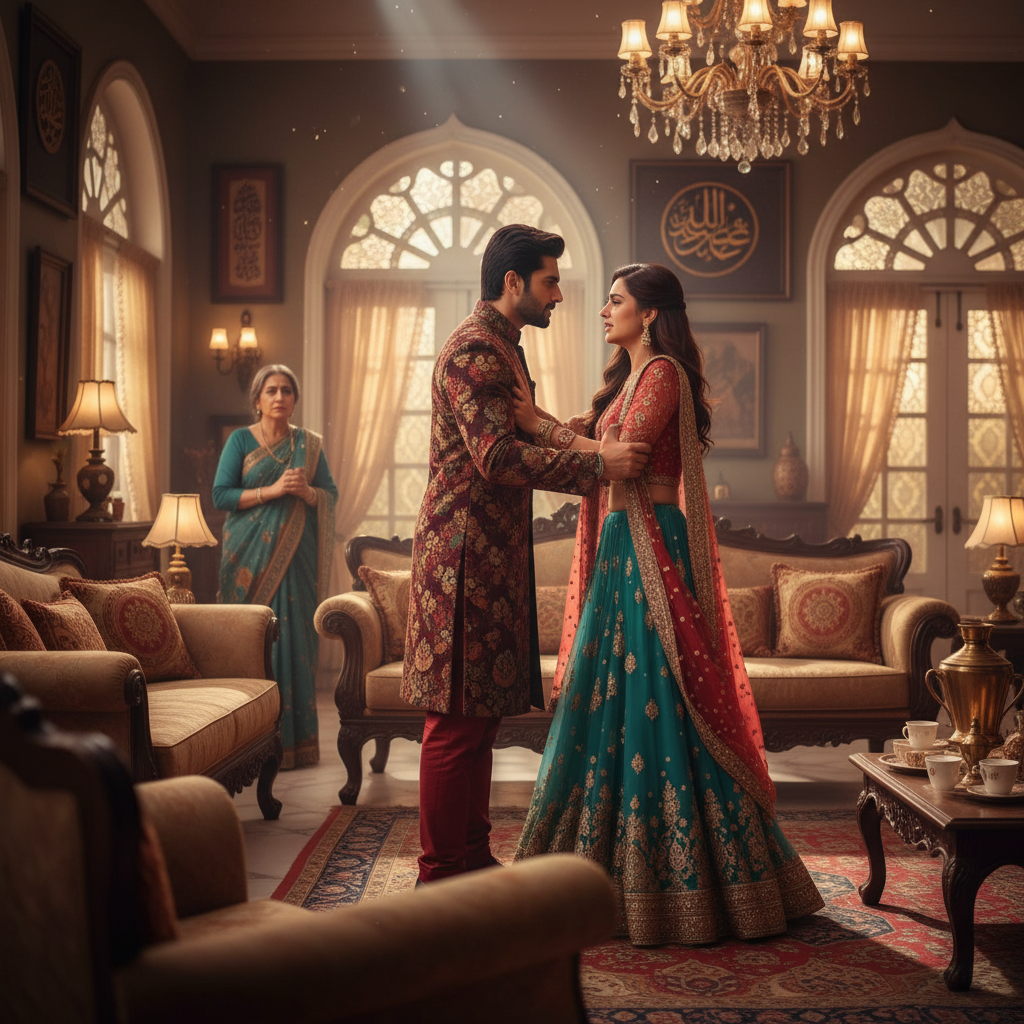
Airing twice a week, Pehli Nazar Ka Pyar, starring the immensely popular duo Zara Khan and Hamza Ali, alongside veteran actor Javed Sheikh and rising starlet Sana Javed, has captivated audiences with its intricate storyline of love, betrayal, and family secrets. But beyond the impressive TRP ratings, it's the drama's unparalleled social media footprint that truly signifies its impact.
#ZarHam: The Hashtag That Broke the Internet
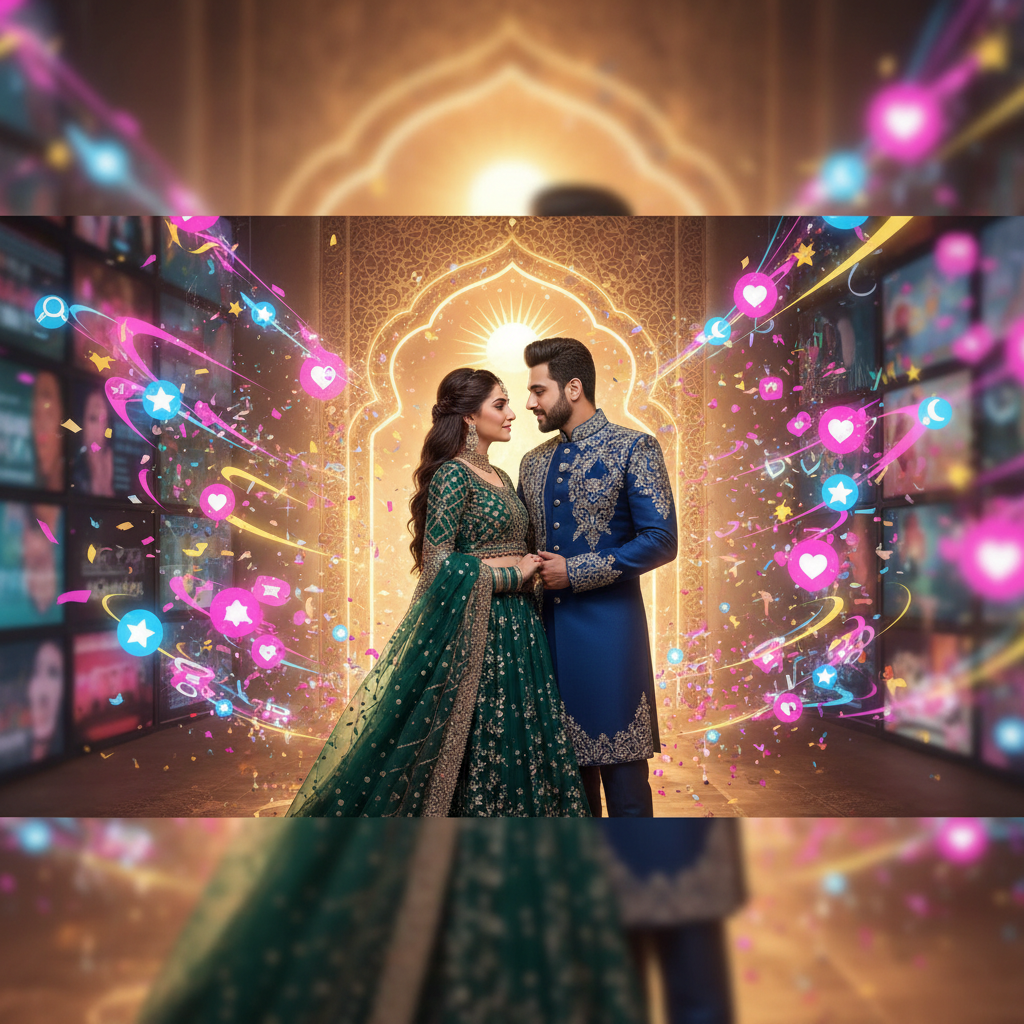
From the very first episode, the on-screen chemistry between Zara Khan's character, Ayesha, and Hamza Ali's Rohan, was undeniable. Fans quickly coined the portmanteau hashtag #ZarHam, which has since become a constant fixture on Twitter's trending list every Tuesday and Wednesday night. Tweets range from adoration for their romantic scenes – 'Yaar, #ZarHam ki chemistry is something else! My heart can't handle this much cuteness!' – to frustration over their misunderstandings – 'Why can't Ayesha just trust Rohan? This miscommunication is killing me! #ZarHam #PehliNazarKaPyar'.
Instagram is awash with fan edits, collages, and short video clips celebrating their moments, often set to trending audio. The official Hum TV pages, as well as Zara Khan and Hamza Ali's personal accounts, see an explosion of comments and shares with every new episode promo. This direct interaction between actors and their audience, facilitated by social media, creates a more intimate and engaging experience for viewers, making them feel like an integral part of the drama's journey.
Meme-Worthy Moments: Laughter Amidst the Tears
Pakistani dramas, with their often intense emotional arcs, provide fertile ground for meme culture. Pehli Nazar Ka Pyar is no exception. A particular scene where Javed Sheikh's character, the stern patriarch Mr. Shah, delivers a dramatic dialogue about family honour, quickly became a viral meme. Screenshots of his intense expression, paired with humorous captions unrelated to the drama, flooded social media feeds. Similarly, Sana Javed's character, the conniving antagonist Maya, has inspired countless 'evil genius' memes, highlighting her cunning plans with a touch of playful humour.
These memes, while light-hearted, serve a dual purpose. They provide comic relief for viewers invested in the drama's often heavy plot, and more importantly, they act as free, organic marketing, drawing in new viewers curious about the context behind the viral images. It's a testament to the drama's widespread appeal that even non-viewers are familiar with its iconic moments.
Fan Theories and Plot Twist Debates: Who's Behind the Mask?
The true heart of social media engagement lies in the fan theories. Pehli Nazar Ka Pyar, known for its unexpected twists and turns, has ignited a firestorm of speculation. The biggest mystery currently baffling fans revolves around the identity of a mysterious caller who seems to be manipulating Maya. Is it Rohan's estranged business partner? A long-lost relative of Ayesha's? Or perhaps even Mr. Shah, playing a deeper game than anyone suspects?
On Reddit forums dedicated to Pakistani dramas, threads titled 'Pehli Nazar Ka Pyar - Plot Twist Predictions' are overflowing with intricate analyses. Users meticulously dissect every dialogue, every lingering glance, and every background detail to build their cases. One popular theory suggests that Rohan's childhood friend, who was briefly mentioned but never seen, is the mastermind. Another posits that Ayesha's seemingly innocent younger sister is secretly involved. These debates are not just idle chatter; they reflect the deep emotional investment viewers have in the narrative, transforming passive consumption into active participation.
The Changing Landscape of Drama Consumption
Social media has undeniably transformed how we consume and interact with television dramas. It has created a global community of fans, bridging geographical boundaries. A drama airing in Pakistan can instantly spark conversations among viewers in the UK, USA, and Canada, all sharing their real-time reactions. The immediate feedback loop also provides valuable insights for production houses and writers, allowing them to gauge audience sentiment and, at times, even subtly adjust storylines (though this is a contentious topic among purists).
As Pehli Nazar Ka Pyar barrels towards its much-anticipated finale in a few weeks, the social media buzz is only expected to intensify. Whether #ZarHam gets their happy ending, or Maya finally faces her comeuppance, one thing is certain: the digital world will be watching, reacting, and theorizing every step of the way. It's a new era for Pakistani entertainment, where the audience isn't just watching a story unfold, they're actively shaping its legacy, one tweet and one meme at a time. What are your theories for the ending of Pehli Nazar Ka Pyar? Share them using #PehliNazarKaPyarFinale and let's keep the conversation going!