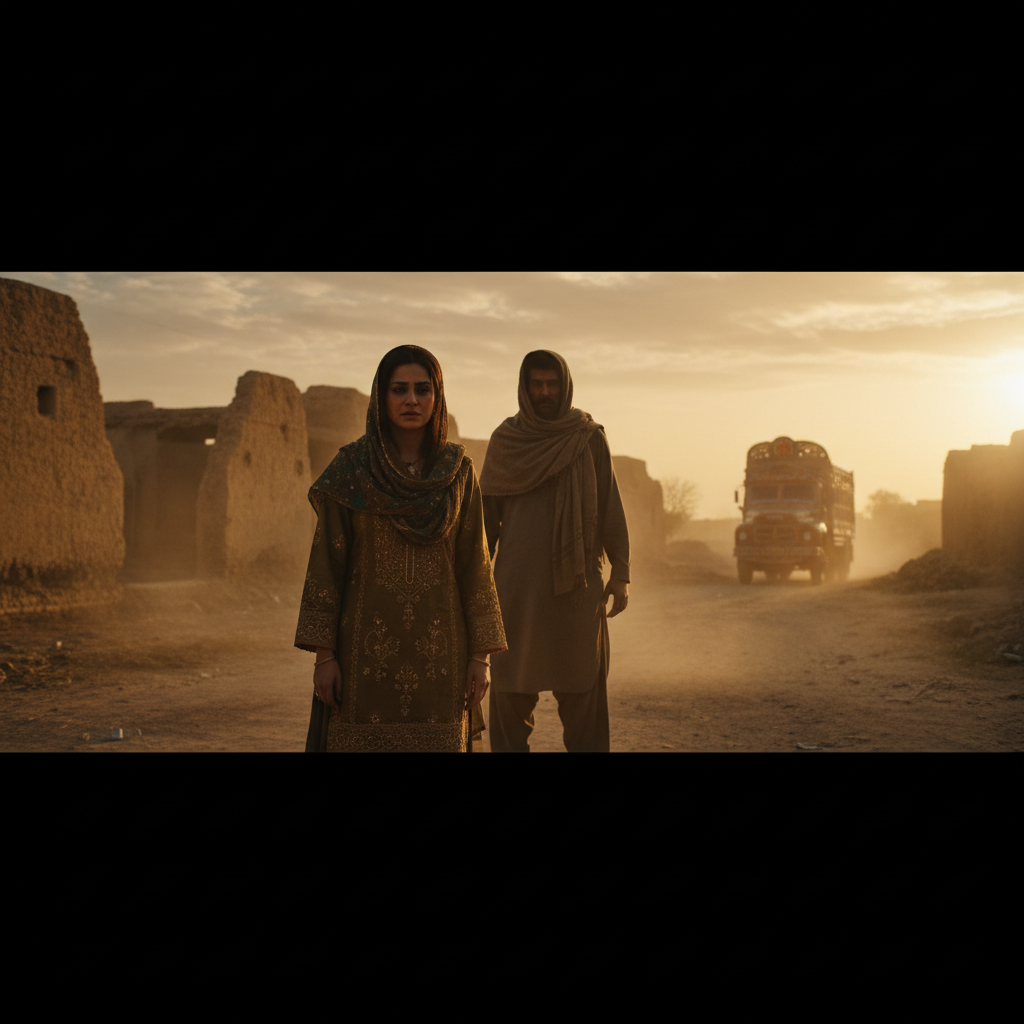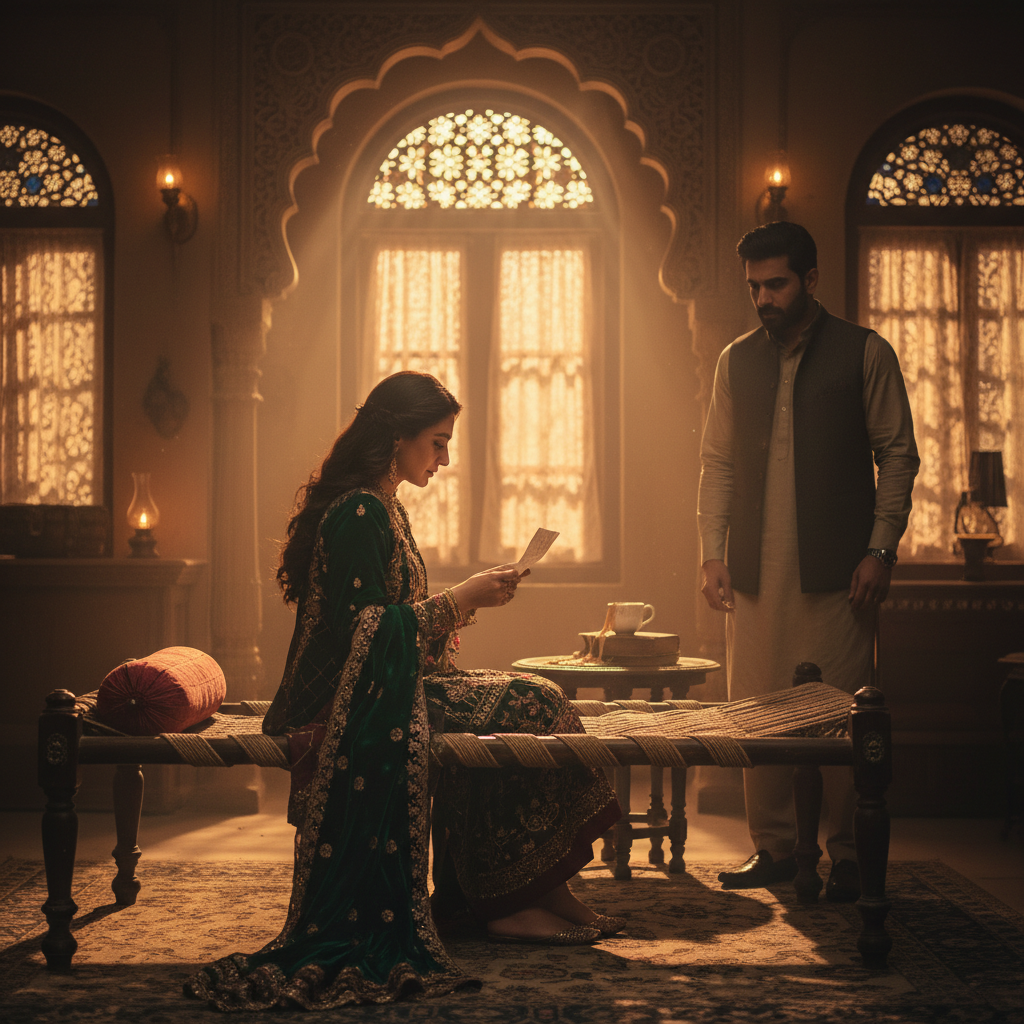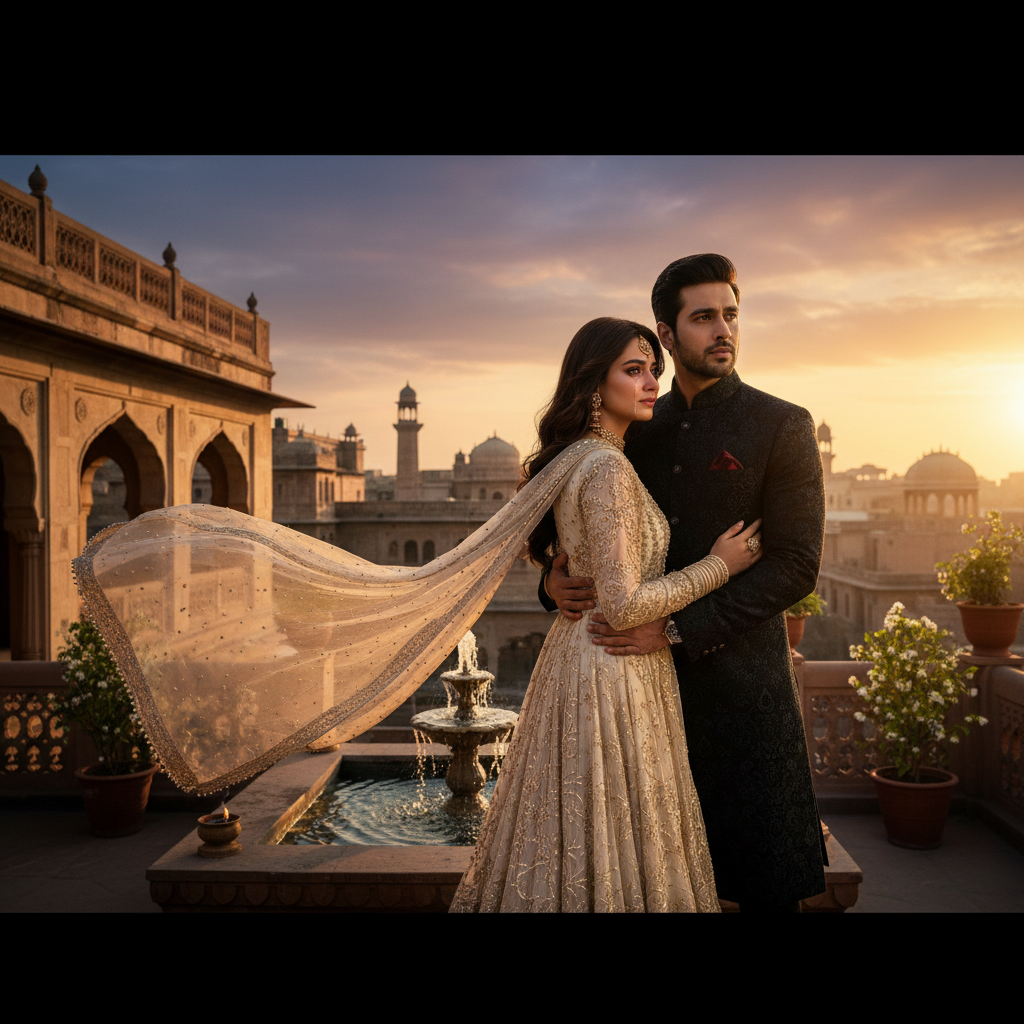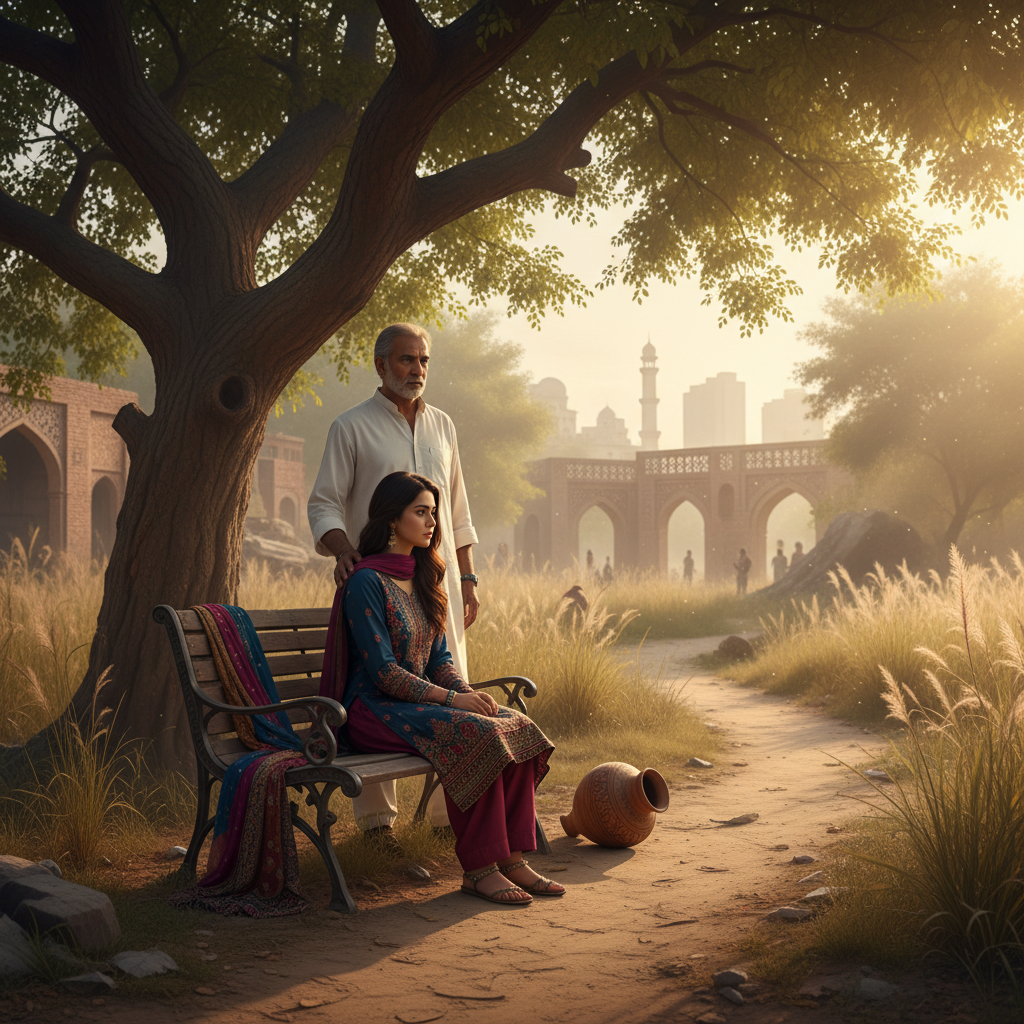



When Muamma premiered on Hum TV on December 24, 2025, few could have predicted that it would become one of the most talked-about dramas of the season. Over the course of 35 episodes, writer Imran Nazir and director Shaqielle Khan delivered something that Pakistani television rarely attempts: a genuine psychological thriller that treated its audience as intelligent adults capable of handling ambiguity, moral complexity, and uncomfortable truths. As the final episode airs on April 23, 2026, it is worth examining what made Muamma so remarkable — and why its influence will be felt for years to come.
A Premise That Defied Convention
At its core, Muamma is the story of Jahan Ara, a wealthy landlady played by Saba Qamar, whose elegant old house serves as a microcosm of Pakistani society's hidden wounds. Tenants arrive carrying their own concealed traumas, and as they enter Jahan Ara's orbit, the peaceful facade of the household begins to crumble. What emerges is not the typical saas-bahu conflict or star-crossed romance that dominates prime-time television, but a layered examination of how childhood trauma, gender inequality, and systemic abuse ripple through generations.
This is a drama where the protagonist is not simply good or bad — she is damaged, calculating, and deeply sympathetic all at once. Jahan Ara experienced abuse and neglect as a child, growing up in a household where boys were favoured and girls were deemed expendable. That trauma did not vanish with adulthood; it metastasized into patterns of manipulation and control that she both perpetuates and struggles against. In a television landscape where female characters are typically defined by their relationships to men, Jahan Ara stands as a complex, fully realised human being whose actions are driven by psychology rather than plot convenience.
Saba Qamar: A Masterclass in Controlled Intensity
It is impossible to discuss Muamma without centering Saba Qamar's extraordinary performance. Already regarded as one of Pakistan's finest actresses — with landmark roles in Digest Writer, Baaghi, and Cheekh behind her — Saba elevated her craft to new heights in this serial. Her portrayal of Jahan Ara required a range that few actors possess: the ability to project warmth and menace in the same scene, to convey decades of suppressed pain through a single glance, and to hold the audience's empathy even when her character's actions crossed moral boundaries.
What made her performance particularly remarkable was its restraint. In an industry where emotional scenes often default to tears and raised voices, Saba chose stillness. Her most devastating moments came not through outbursts but through silence — a tightening of the jaw, a barely perceptible shift in posture, a smile that never quite reached her eyes. This approach demanded more from the viewer, requiring them to read between the lines rather than be told what to feel. It is the kind of performance that international audiences, accustomed to the subtlety of prestige television, will immediately recognise as world-class.
As one IMDB reviewer noted: "Saba Qamar proved herself through Pamaal, Case No. 9, and Muamma. She is no doubt the best actress." After Muamma, that assessment feels less like opinion and more like established fact.
Ali Ansari: The Breakout Star
Ali Ansari entered Muamma as a familiar face in Pakistani television, but he leaves it as a leading man of genuine stature. His portrayal of Shah Jehan — a man whose bond with Jahan Ara is "built with love, tested by fate," as Hum TV's own promotional material described it — required him to match Saba Qamar scene for scene. That is no small task, and Ali rose to it with a performance that balanced vulnerability with quiet strength.
The chemistry between Ali Ansari and Saba Qamar became one of the drama's defining elements. Their scenes together crackled with tension — not the manufactured tension of contrived misunderstandings, but the genuine unease of two people who understand each other too well. Ali brought a naturalistic quality to his performance that grounded the drama's more heightened moments, serving as the audience's emotional anchor in a story that often ventured into dark territory.
Usman Mukhtar and the Supporting Ensemble
Usman Mukhtar, fresh from his acclaimed work in Hum Kahan Ke Sachay Thay and Sabaat, delivered another layered performance that demonstrated his growing range as an actor. His character added a crucial third dimension to the central dynamic, creating a triangle built not on romantic jealousy but on competing loyalties and hidden agendas.
Anoushay Abbasi, appearing in eight episodes, brought a fierce energy that complemented the leads perfectly. Her scenes were consistently among the most electric in any given episode, and her ability to convey complex emotions with economy and precision marked her as an actress to watch closely in future projects.
Shehzad Sheikh, a veteran of Pakistani television with decades of experience, lent gravitas and unpredictability to his role across seven episodes. His presence elevated every scene he appeared in, reminding viewers why he remains one of the industry's most reliable performers.
Perhaps the most talked-about late addition to the cast was Maria Wasti as Zuleikha. Joining the drama midway through its run, Maria's bold, unapologetic characterisation immediately shook up the established dynamics. Social media buzzed with comparisons between Zuleikha and Jahan Ara, debating which woman was truly in control. It was the kind of narrative disruption that keeps audiences engaged week after week, and Maria executed it with the confidence of an actress at the peak of her powers.
Why Muamma Was Different
Pakistani television has produced excellent dramas before. What set Muamma apart was not merely its quality but its ambition. Consider what it chose to tackle: childhood trauma, the long-term psychological effects of abuse, the way patriarchal structures damage everyone they touch — including the men who ostensibly benefit from them. These are topics that many Pakistani households still consider taboo, subjects that are whispered about but rarely examined with the unflinching honesty that Imran Nazir's script demanded.
As one viewer wrote on IMDB: "This drama goes against all the rules where in some Pakistani homes this type of conversation is a taboo. And still happens till this day." That willingness to confront uncomfortable realities, rather than retreating into the safe harbour of conventional romance or family melodrama, is what elevated Muamma from a good drama to an important one.
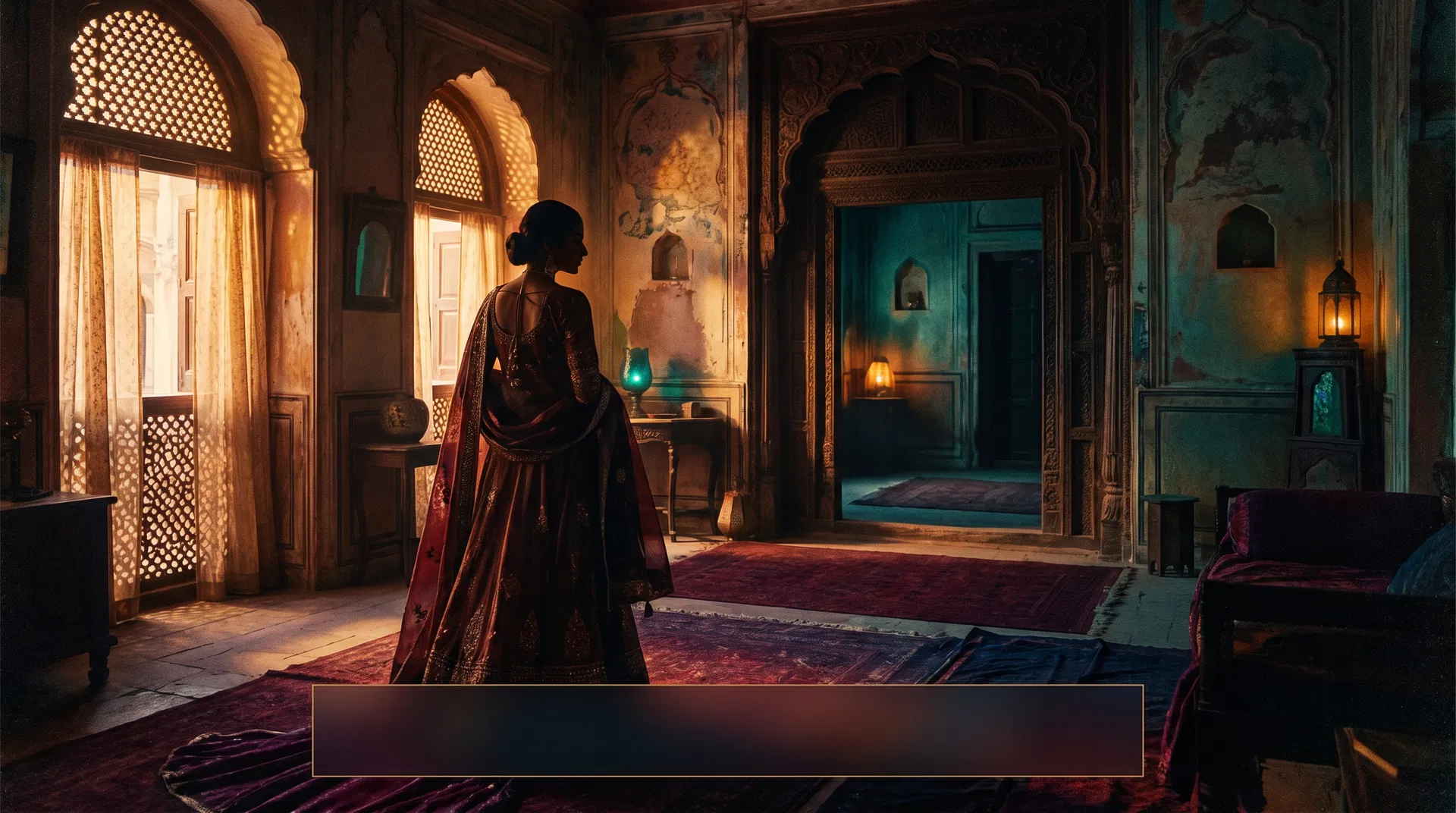
The direction by Shaqielle Khan reinforced the script's ambitions at every turn. The visual palette was deliberately muted and shadowy, creating an atmosphere of perpetual unease that mirrored the characters' psychological states. The pacing was deliberate — some might say slow, but those who stayed with it understood that the drama was building its tension methodically, like a chess player positioning pieces for a devastating endgame. When the revelations came, they landed with the force of a hammer precisely because the groundwork had been so carefully laid.
The Numbers Tell a Story
Muamma earned an 8.5 rating on IMDB from 64 voters — an impressive score for a Pakistani drama on an international platform. On HumaraDrama, it carries a 7.0 rating across its 35 episodes. The drama aired every Wednesday and Thursday at 8:00 PM, produced by Momina Duraid under MD Productions, and consistently held its time slot against stiff competition from ARY Digital and Geo TV.
But the numbers that matter most are the ones that cannot be quantified: the conversations it sparked in living rooms and on social media, the viewers who saw their own experiences reflected in Jahan Ara's story, and the young writers and directors who will look at Muamma and think, "We can do this too."
A New Template for Pakistani Television
Muamma arrives at a moment when Pakistani television is evolving rapidly. Audiences are increasingly sophisticated, with access to international streaming platforms that have raised expectations for production quality and narrative complexity. The old formula — beautiful leads, family conflicts, a wedding at the end — still works, but it is no longer sufficient on its own. Viewers want to be challenged, surprised, and moved in ways that go beyond the familiar emotional beats.
Muamma answered that demand. It proved that a Pakistani drama can be dark without being depressing, complex without being confusing, and commercially successful without compromising its artistic integrity. It demonstrated that audiences will embrace difficult subject matter when it is handled with intelligence, empathy, and craft. And it gave Saba Qamar, Ali Ansari, Usman Mukhtar, and the entire ensemble a vehicle worthy of their considerable talents.
As the final credits roll on Episode 35, one thing is certain: Pakistani television is richer for having produced Muamma. The riddle may be solved, but its impact on the industry is just beginning.
Muamma aired on Hum TV from December 24, 2025 to April 23, 2026. All 35 episodes are available on YouTube. Watch it on HumaraDrama.