The Digital Wave: Streaming Platforms Reshape Consumption
The year 2026 marks a significant milestone for Pakistani dramas, as digital viewership continues its meteoric rise, fundamentally altering how audiences engage with their beloved serials. Gone are the days when television sets were the sole gateway to entertainment; now, smartphones, tablets, and smart TVs have become primary screens. Platforms like YouTube, Hum TV's official app, ARY Digital's ARY ZAP, and emerging local streaming services have seen an exponential surge in subscribers and daily active users. This shift isn't just about convenience; it's about accessibility, allowing viewers from Karachi to Canada to tune in at their leisure.
The impact of this digital revolution is multi-faceted. Firstly, it has democratized content access, breaking geographical barriers. Overseas Pakistanis, a significant and loyal audience segment, no longer rely on delayed telecasts or unofficial uploads. They are now an integral part of the initial viewership, contributing to trending topics and discussions in real-time. Secondly, it has given rise to new consumption patterns. Binge-watching, once a Western phenomenon, is now commonplace in Pakistan, especially for completed series or those released weekly on digital platforms ahead of their TV broadcast. This has prompted producers to consider releasing episodes in batches or even entire seasons for certain web-series, catering to this demand.
The data from early 2026 clearly indicates that dramas like 'Dil-e-Muztarib' (aired on Hum TV in 2025) and 'Ishq-e-Laa' (ARY Digital, 2025-2026) garnered millions of views on YouTube within hours of their upload, often surpassing their linear TV ratings. This digital success is now a critical metric for advertisers and producers, influencing future investments and content strategies. The ability to track precise viewership demographics and engagement metrics on digital platforms provides invaluable insights, leading to more targeted and audience-centric content creation.
Storytelling Evolution: Beyond the Conventional Narratives
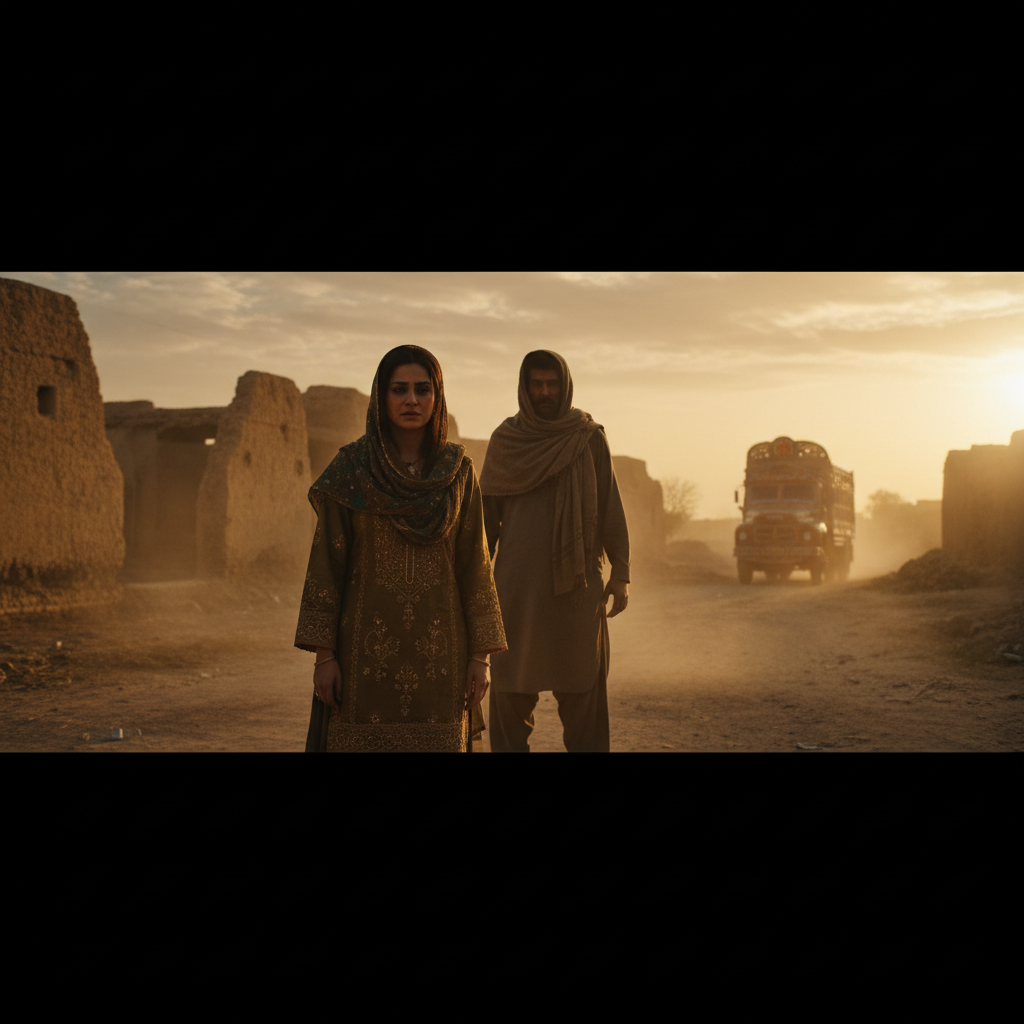
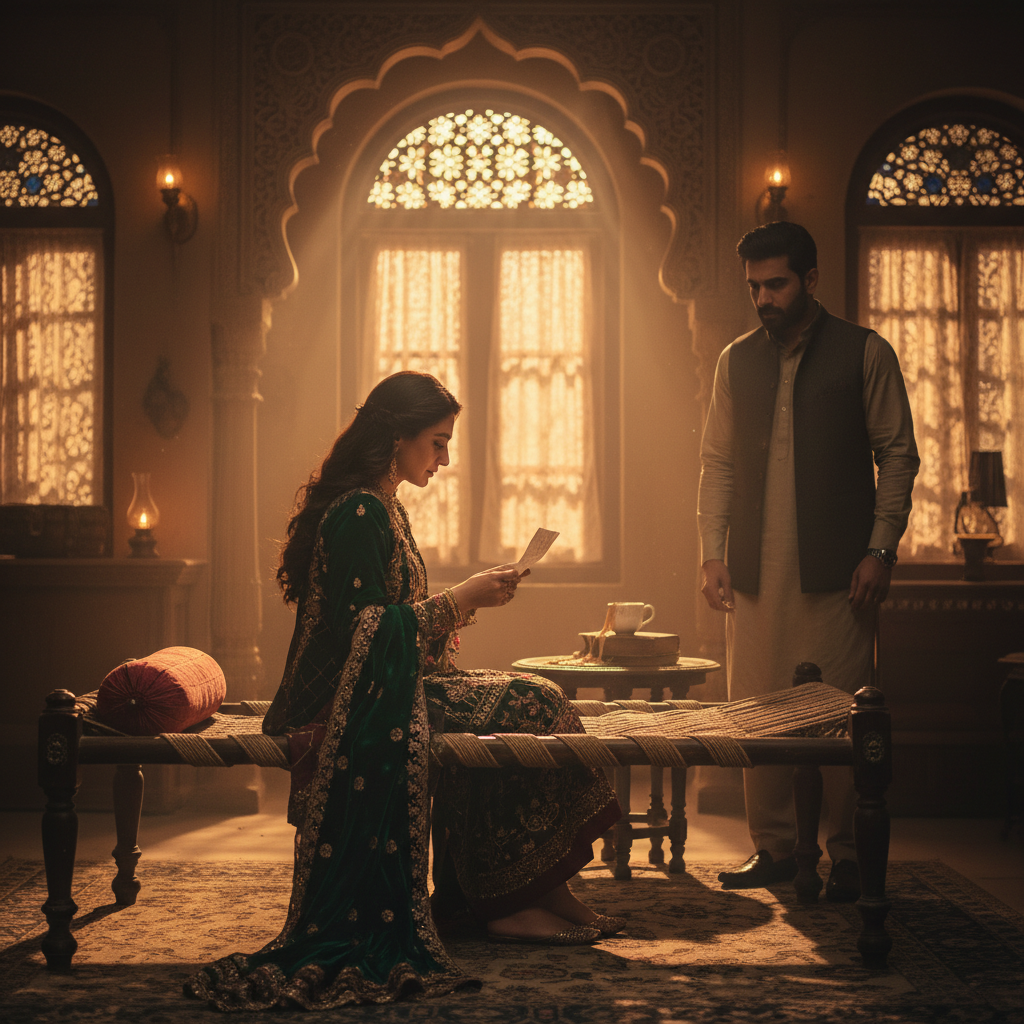
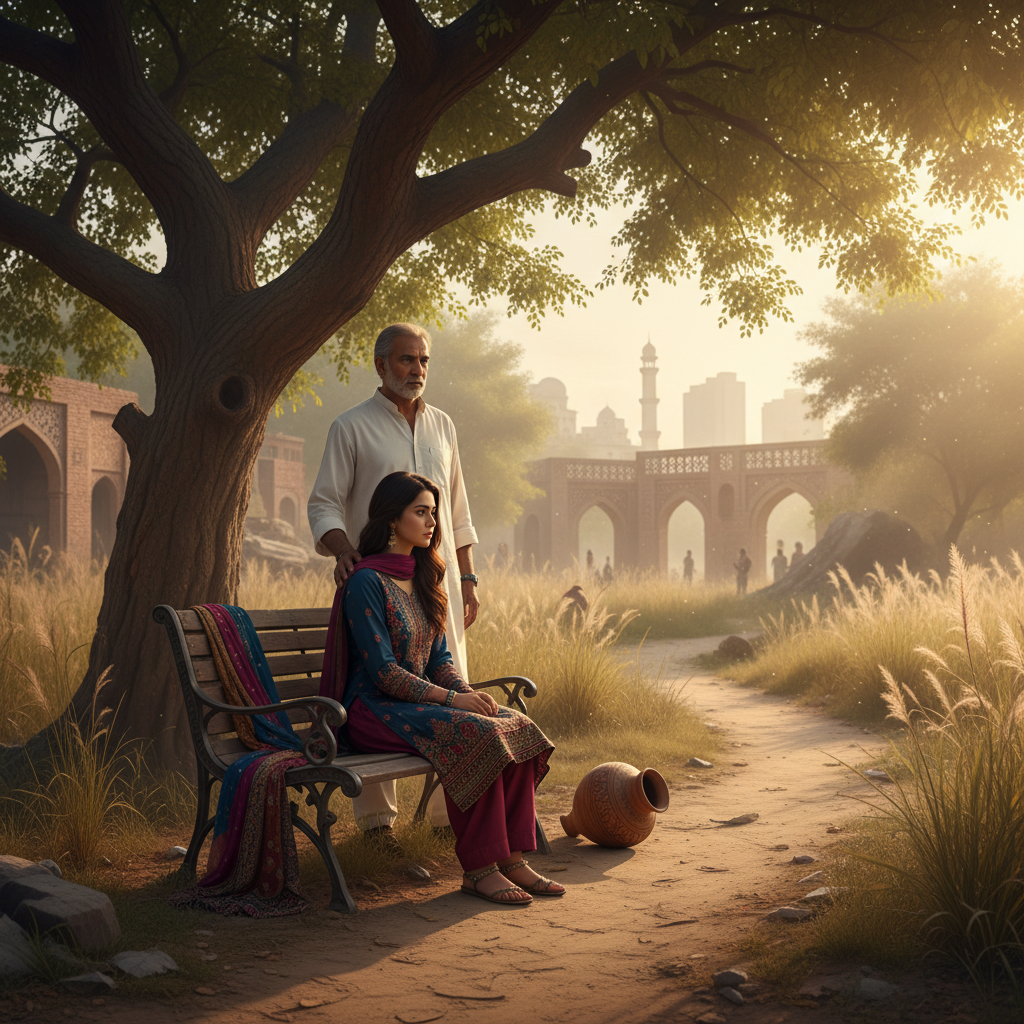
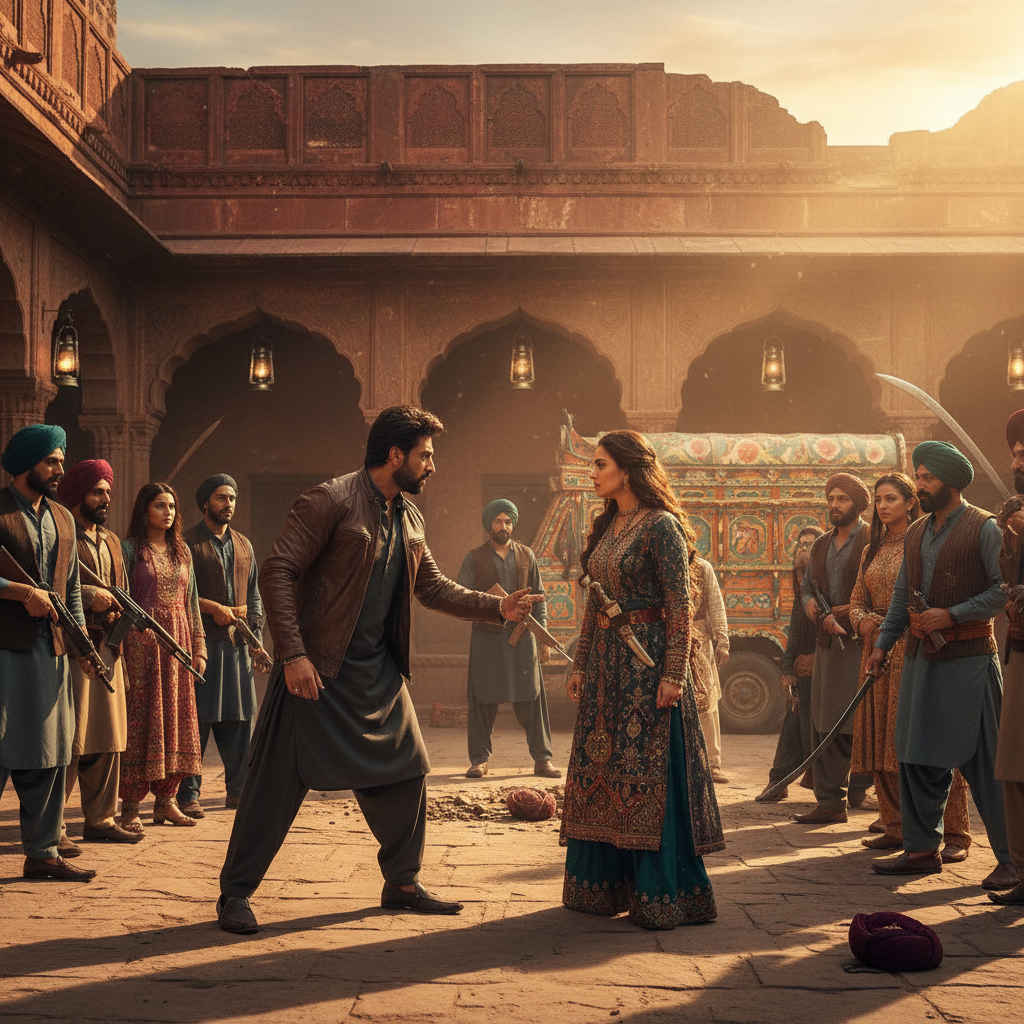
With the rise of digital platforms comes a demand for diverse and often bolder storytelling. The traditional 'saas-bahu' sagas and love triangles, while still popular, are increasingly sharing space with narratives that explore complex social issues, psychological thrillers, and even fantasy elements. The year 2025-2026 has witnessed a refreshing shift towards more nuanced character development and plots that challenge societal norms.
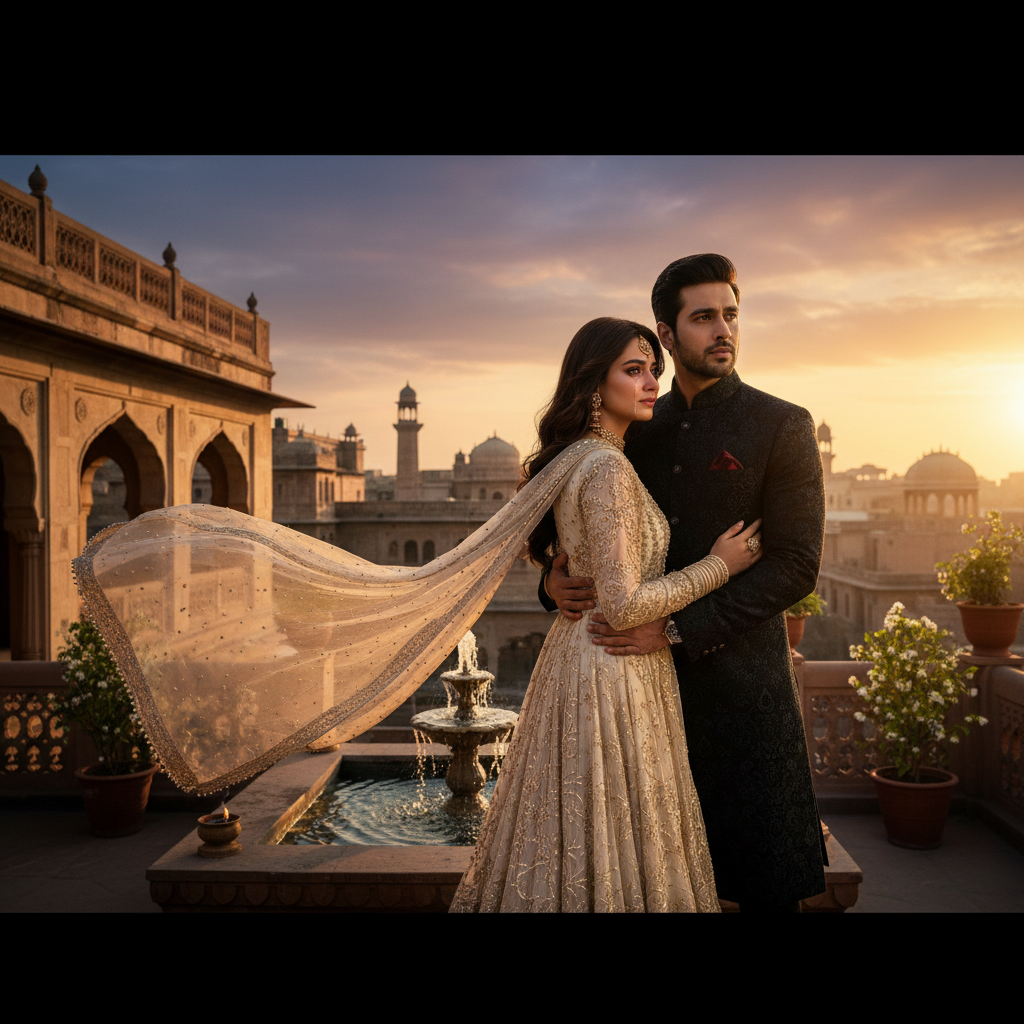
Dramas like Green Entertainment's 'Jaan-e-Jahan' (2025), starring Hamza Ali Abbasi and Ayeza Khan, showcased a return to grand, epic romances but with a contemporary sensibility that resonated with both traditional and modern audiences. Meanwhile, productions such as TV One's 'Khaab Nagar' (2025) delved into themes of mental health and societal pressures with remarkable sensitivity, moving away from sensationalism towards genuine exploration. This willingness to tackle sensitive subjects is partly fueled by the digital space, which offers a slightly less restrictive environment compared to traditional television broadcasting, allowing for more experimental and thought-provoking content.
Moreover, there's a growing trend towards shorter, more concise series, particularly for digital-first releases. While 30+ episode serials remain the norm for prime-time TV, many web-series are opting for 10-15 episode formats, ensuring tighter scripts and faster pacing. This caters to the attention spans of a digitally native audience accustomed to quick, impactful narratives. The success of these shorter formats is encouraging producers to experiment further, blurring the lines between traditional drama and mini-series.
International Footprint: Pakistani Dramas Go Global
The global appeal of Pakistani dramas is not a new phenomenon, but 2025-2026 has seen an unprecedented expansion of their international footprint. Beyond the traditional markets of the Middle East and India, Pakistani serials are now finding dedicated audiences in Europe, North America, and even parts of Southeast Asia, thanks to robust international distribution deals and the ubiquitous nature of digital platforms.
Channels like Hum TV and ARY Digital have actively pursued partnerships with international streaming giants and local broadcasters in various countries. For instance, dramas featuring popular stars like Fawad Khan, Mahira Khan, and Yumna Zaidi are regularly licensed for broadcast on South Asian channels in the UK and USA. Furthermore, the availability of subtitled versions on platforms like Netflix and Amazon Prime Video has introduced Pakistani content to an entirely new demographic, transcending language barriers.
The cultural resonance of Pakistani dramas, often depicting strong family values, intricate relationships, and social dilemmas, finds a universal appeal. The high production quality, compelling performances, and often poetic Urdu dialogue contribute to their distinct identity. This global recognition not only brings in significant revenue but also enhances Pakistan's soft power, showcasing its rich cultural heritage and artistic talent on a worldwide stage. The success of 'Parizaad' (Hum TV, 2021-2022) continues to be a benchmark, but newer shows like 'Tere Bin' (Geo Entertainment, 2022-2023) and 'Mayi Ri' (ARY Digital, 2023) have further solidified this global reach, with their episodes consistently trending internationally on digital platforms.
The Rise of New Channels and Production Houses
The burgeoning demand for content, both domestically and internationally, has spurred the launch of new television channels and independent production houses. Green Entertainment, which launched in 2023, has firmly established itself as a significant player by 2026, known for its high-quality productions and willingness to experiment with genres. Its success has encouraged other media groups to invest further in content creation, leading to a more competitive and dynamic industry landscape.
This increased competition is a boon for both creators and audiences. Actors and writers now have more avenues to showcase their talent, leading to a wider variety of projects. Production houses are investing more in technical prowess, from cinematography to post-production, to stand out in a crowded market. This healthy rivalry is pushing the boundaries of creativity and technical excellence, ultimately benefiting the viewer with better quality content.
Moreover, the independent production sector is thriving. Smaller studios, often focusing on web-series or niche content, are emerging, providing platforms for fresh talent and innovative ideas that might not fit the mold of mainstream television. This ecosystem of established giants and agile independents is creating a vibrant and diverse content landscape, ensuring that Pakistani dramas continue to evolve and captivate audiences for years to come.
Looking Ahead: The Future is Bright and Digital
As we move further into 2026, the trends are clear: digital platforms will continue to dominate viewership, storytelling will become even more diverse and bold, and the international appeal of Pakistani dramas will only grow stronger. The industry is in a state of exciting flux, adapting to technological advancements and changing audience preferences with remarkable agility. The future of Pakistani entertainment is not just on our screens; it's in our pockets, crossing borders, and telling stories that resonate globally. It's a truly exciting time to be a fan of Pakistani dramas!