
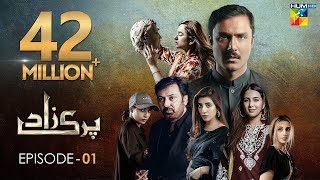

The Rise of Brevity: Pakistani Dramas Embrace the 25-Episode Format
For decades, Pakistani television dramas were synonymous with sprawling narratives, often extending beyond 30, 40, or even 50 episodes. Viewers would commit months, sometimes a full year, to follow the intricate lives and evolving storylines of their favorite characters. However, a noticeable and welcome shift has been underway, particularly prominent in the 2025-2026 drama season. The industry is increasingly opting for shorter, more focused series, typically ranging from 20 to 25 episodes. This '25-episode revolution' is not just a passing fad; it's a strategic evolution driven by viewer preferences and a changing media landscape.
Dramas like Hum TV's recent sensation 'Dil-e-Gumshuda' (24 episodes), ARY Digital's critically acclaimed 'Qismat Ke Rang' (22 episodes), and Geo Entertainment's popular 'Mohabbat Ki Kahani' (25 episodes) are perfect examples of this new paradigm. These series have garnered immense popularity, proving that quality, compelling storytelling doesn't need to be stretched thin. The buzz around these concise narratives is undeniable, and it begs the question: why are Pakistani viewers, who once cherished lengthy serials, now preferring this leaner format?
Viewer Fatigue and the Demand for Pacing
One of the primary reasons behind the success of shorter dramas is the alleviation of 'viewer fatigue.' In the past, many dramas, despite promising starts, would often meander in their middle acts. Plotlines would become repetitive, conflicts would be unnecessarily prolonged, and character arcs would stagnate, all in an effort to meet episode quotas. This often led to viewers losing interest and eventually abandoning a series mid-way.
With a 20-25 episode structure, writers and directors are compelled to maintain a tighter narrative. Every scene, every dialogue, and every plot twist must serve a purpose, propelling the story forward. This results in a much more engaging and dynamic viewing experience. Audiences appreciate the crisp pacing and the feeling that the story is constantly progressing, rather than treading water. 'Dil-e-Gumshuda', starring Kinza Hashmi and Affan Waheed, was particularly lauded for its consistent momentum and lack of filler, keeping audiences hooked from its premiere to its impactful finale.
The Binge-Watching Culture and Digital Platforms
The global rise of streaming platforms and binge-watching culture has undoubtedly influenced Pakistani viewing habits. While traditional television still holds sway, a significant portion of the audience, especially the younger demographic, consumes content on digital platforms like YouTube, Hum TV's app, and ARY Digital's streaming service. On these platforms, viewers have the power to watch multiple episodes consecutively, and a shorter series is much more conducive to a satisfying binge. Finishing a complete story arc in a matter of days or weeks, rather than months, offers a sense of completion and gratification that longer dramas often fail to deliver.
Furthermore, the availability of diverse international content on these digital platforms has raised the bar for production quality and storytelling efficiency. Pakistani drama makers are responding to this by crafting narratives that are competitive not just locally, but globally, in terms of their narrative density and production value within a limited timeframe.
Impact on Storytelling and Character Development
Contrary to concerns that shorter formats might compromise character depth or story complexity, many recent dramas have demonstrated the opposite. The constraint of fewer episodes forces writers to be more deliberate and impactful with their storytelling. Character arcs become more focused, emotional beats are more potent, and plot twists feel more earned because there's less room for unnecessary diversions.
Consider 'Qismat Ke Rang', which explored themes of social class and ambition with remarkable nuance within its 22 episodes. The performances by lead actors Wahaj Ali and Yumna Zaidi felt incredibly authentic, largely because their characters' journeys were meticulously planned and executed without the drag of prolonged subplots. This format encourages writers to prioritize quality over quantity, leading to more memorable stories and stronger character portrayals.
Producer and Advertiser Perspective
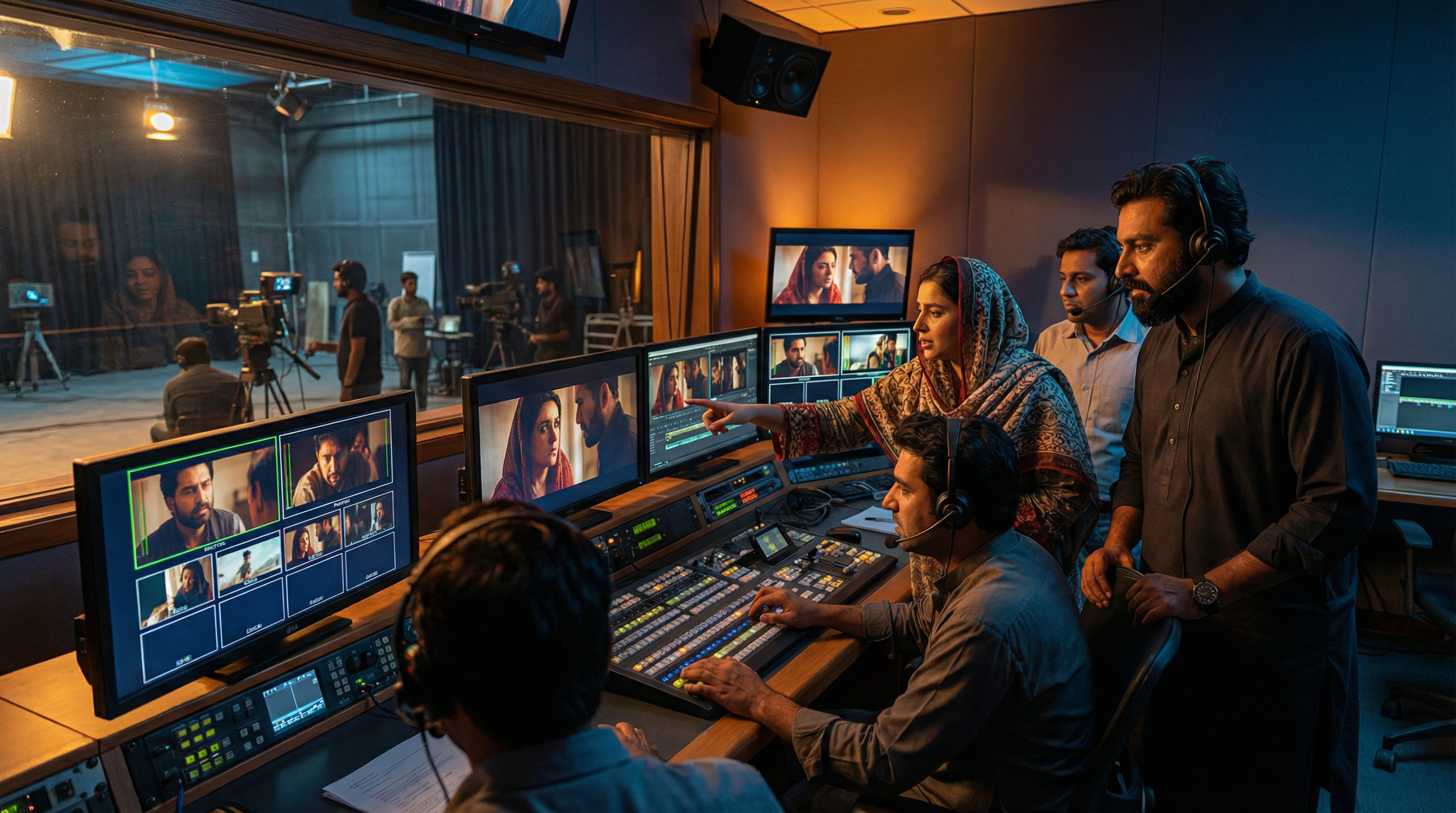
From a production standpoint, shorter dramas also offer several advantages. They are often more cost-effective to produce, as they require less shooting time and fewer resources over an extended period. This allows production houses to potentially invest more in the quality of each episode – better cinematography, stronger direction, and more elaborate sets – knowing the project has a defined end date.
Advertisers also find shorter, high-impact series more appealing. A drama that consistently maintains high viewership throughout its run is a more attractive proposition than one whose ratings dip in the middle. The concentrated viewership of a popular 20-25 episode series can lead to better ad placements and higher revenue for channels like Hum TV, ARY Digital, and Geo Entertainment.
The Future is Concise and Compelling
As we look ahead to the remainder of 2026 and beyond, it's clear that the trend of shorter, more impactful dramas is here to stay. Upcoming projects from major production houses are increasingly being announced with episode counts in the 20-25 range, signaling a permanent shift in industry strategy. This move benefits everyone: writers can craft tighter narratives, producers can manage resources more efficiently, and most importantly, viewers get to enjoy high-quality, engaging stories that respect their time and intelligence.
The Pakistani drama industry is evolving, adapting to modern viewing habits while retaining its unique cultural essence. The 25-episode revolution is not just about fewer episodes; it's about a commitment to excellence, ensuring that every story told on our screens is as compelling and memorable as possible. Get ready for more crisp narratives and impactful performances – the future of Pakistani television is looking brighter, and certainly, more concise!